Single Vision vs. Progressive Lenses: How Modern Freeform Technology Works
Tired of switching between reading glasses and distance spectacles? Learn how modern digital progressive lenses provide seamless vision across all distances.
Dr. Sarah Kimani
Verified ExpertLead Clinical Optometrist • St. Mary Optical Team
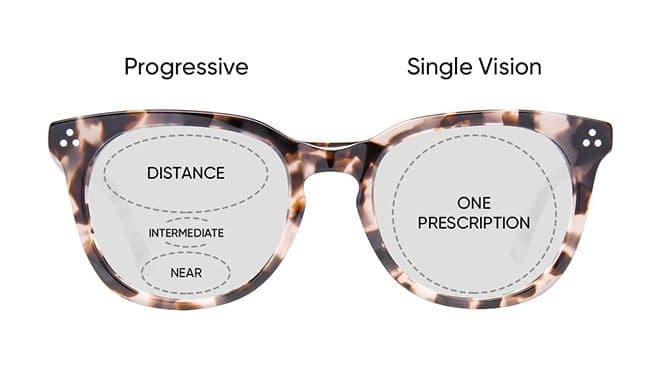
- Presbyopia is a natural age-related change usually beginning around age 40 where the eye lens loses flexibility for near focus.
- Unlike old bifocals with visible lines, progressive lenses provide a smooth, invisible gradient from distance to intermediate and reading.
- Modern digital freeform ray-tracing lenses eliminate the peripheral distortion swim effect of older progressive designs.
Understanding Presbyopia
Around the age of 40 to 45, you may notice having to hold menus or smartphones further away to read clearly. This condition is known as presbyopia.
Presbyopia is not a disease; it is the natural hardening of the crystalline lens inside the eye, making it harder for the ciliary muscles to flex for close-up tasks.
Why Progressive Lenses Replaced Traditional Bifocals
Traditional bifocals split the lens into two distinct zones with a visible dividing line. This created an abrupt "image jump" and provided zero clarity for intermediate computer distances (60cm–1m).
Progressive addition lenses (PALs) incorporate an invisible vertical corridor with gradually increasing optical power. You look straight ahead for driving, slightly down for desktop computers and lower down for reading phone text.
Progressive lenses require millimeter-accurate measurements of your pupillary distance (PD) and fitting height. Our digital centration devices ensure your visual corridor aligns exactly with your natural pupil center.
The Freeform Digital Revolution
Older generation progressives caused a noticeable "swim" sensation when turning your head quickly due to peripheral aberration.
At St. Mary Optical, we fit digital freeform back-surface progressives. These are custom cut with point-by-point laser precision, widening your reading field by up to 40% and making adaptation seamless within 24 to 48 hours.
Have questions about your prescription or eyewear needs?
Schedule a comprehensive eye exam or custom frame styling consultation with our clinical specialists at Sama House, Githurai 45.
Continue Reading
Related Vision Insights

How to Clean & Care for Anti-Reflective Coated Lenses Without Damaging Them
Avoid the most common eyewear mistakes. Learn optometrist-approved techniques to prevent scratches, preserve lens coatings and prolong frame life.
Read Article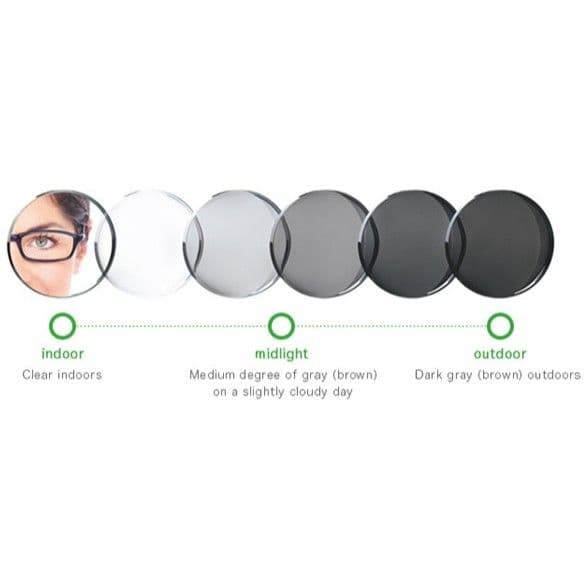
The Science of Photochromic Lenses: How Light-Adapting Eyewear Works
Seamless transition from crystal-clear indoor glasses to dark outdoor sunglasses. Discover how modern light-reactive dyes and extra-active molecules perform.
Read Article
How to Read Your Optical Prescription: Understanding SPH, CYL, AXIS & ADD
Confused by the numbers and plus/minus signs on your optical card? Here is a simple, clear guide to decoding your clinical eyeglass prescription.
Read Article