The Science of Photochromic Lenses: How Light-Adapting Eyewear Works
Seamless transition from crystal-clear indoor glasses to dark outdoor sunglasses. Discover how modern light-reactive dyes and extra-active molecules perform.
Martin Kago
Verified ExpertLead Optical Technician • St. Mary Optical Team
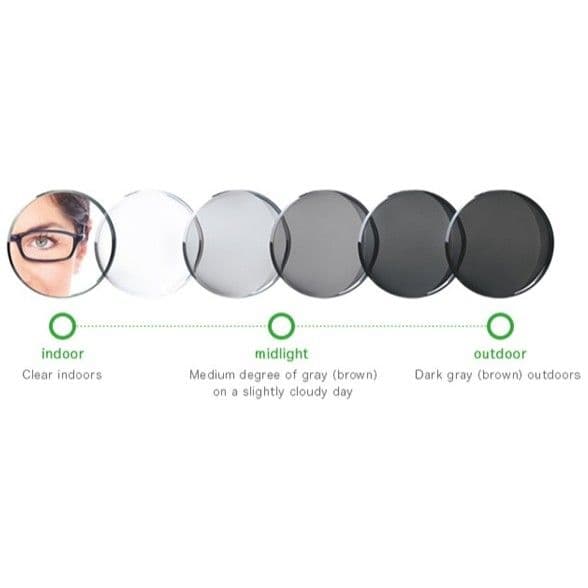
- Photochromic lenses contain trillions of micro-molecular dye structures that rotate and absorb visible light when exposed to ultraviolet radiation.
- Modern 8th-generation transitions darken within 30 seconds outdoors and fade back to clear indoors in under 2 minutes.
- Extra-Active photochromic options react to both UV and visible light, providing dark tint protection even behind car windshields.
How Light-Reactive Molecules Function
When you step outdoors into natural daylight, invisible ultraviolet (UV) radiation triggers a chemical reaction in the patented naphthopyrans and oxazines embedded inside the lens matrix.
These photochromic molecules undergo a rapid physical shape change, expanding their light absorption spectrum to darken the lens into rich grey, brown or graphite green tints.
As soon as you return indoors away from UV rays, thermal energy reverses the chemical structure, restoring pristine 100% optical clarity.
Photochromic lenses darken even faster and reach deeper tint levels in cooler temperatures because thermal reversal is slower in chilly conditions.
Do Photochromic Lenses Work Inside Vehicles?
Standard automotive windshields are laminated to block 99% of ambient UV radiation. As a result, standard transition lenses receive little UV signal and remain mostly clear while driving.
For drivers, we recommend Transitions XTRActive or Drivewear lenses, which are specifically engineered to react to both UV rays and high-intensity visible sunlight.
Who Benefits Most from Light-Adapting Lenses?
Professionals who transition frequently between indoor offices and outdoor worksites.
Light-sensitive individuals (photophobia) who experience ocular discomfort under bright ambient sunlight.
Patients seeking a single, versatile pair of prescription glasses without carrying a second pair of sunglasses.
Have questions about your prescription or eyewear needs?
Schedule a comprehensive eye exam or custom frame styling consultation with our clinical specialists at Sama House, Githurai 45.
Continue Reading
Related Vision Insights
The Modern Guide to Blue Light & Digital Eye Strain: What Actually Works?
With screen time at an all time high, discover how selective blue light filtering, the 20-20-20 rule and anti-reflective lens coatings protect your visual comfort.
Read Article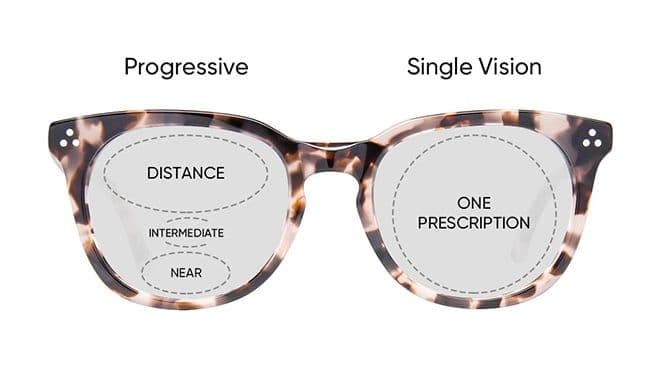
Single Vision vs. Progressive Lenses: How Modern Freeform Technology Works
Tired of switching between reading glasses and distance spectacles? Learn how modern digital progressive lenses provide seamless vision across all distances.
Read Article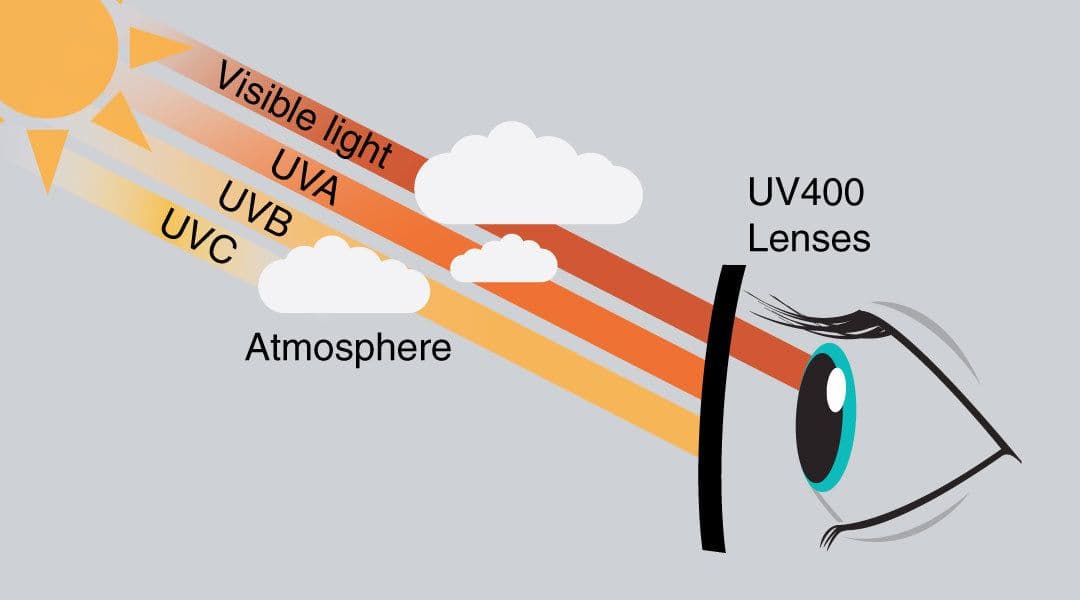
UV Protection & Your Eyes: Why 100% UV400 Rating Matters for Eyewear
Dark lenses do not guarantee sun protection. Learn why UV400 absorption and polarization are vital shields against cataracts and macular degeneration.
Read Article