The Modern Guide to Blue Light & Digital Eye Strain: What Actually Works?
With screen time at an all-time high, discover how blue light filtering, the 20-20-20 rule and anti-reflective coatings protect your visual comfort.
Dr. Nancy Muchai
Verified ExpertLead Clinical Optometrist • St. Mary Optical Team
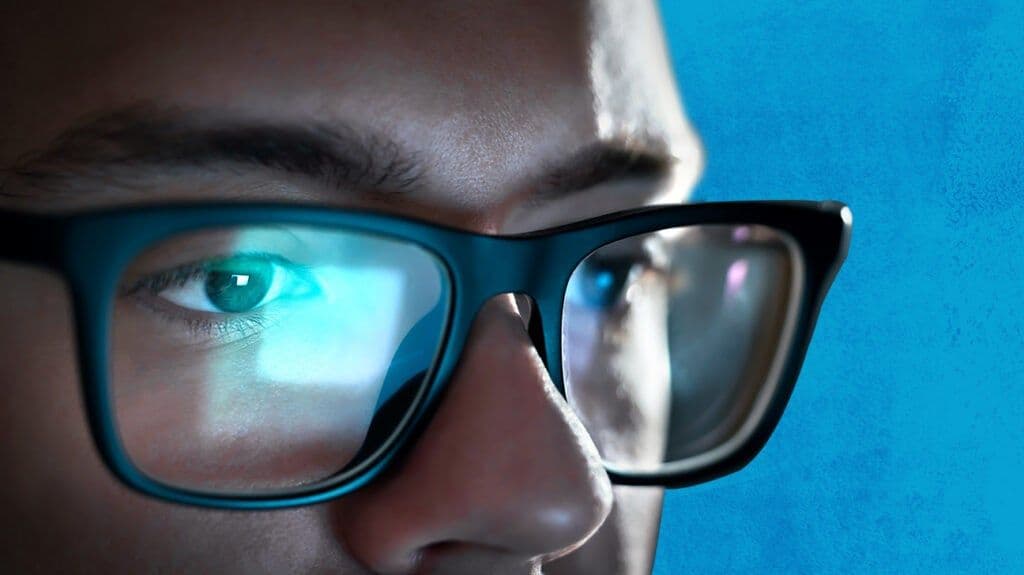
- Digital eye strain (Computer Vision Syndrome) is primarily caused by glare, decreased blink rate and high-energy blue-violet light.
- Premium blue-filtering lenses block high-energy 415–455nm light while allowing beneficial blue-turquoise light through for circadian rhythm regulation.
- Combining blue-filter lenses with the 20-20-20 rule dramatically cuts end-of-day headaches and dry eyes.
Why Do Screens Strain Our Eyes So Fast?
Most professionals spend between 7 to 11 hours daily gazing at digital displays. Unlike printed text, digital screens emit high-energy visible (HEV) blue light and produce subtle pixel flickering and reflective glare.
When focusing intently on monitors and phones, our natural blink rate drops by over 50% (from 15–20 blinks per minute down to just 5–7). This causes the ocular tear film to evaporate rapidly, leading to burning sensations, blurred vision and tension headaches.
Every 20 minutes of screen work, look at an object 20 feet away for at least 20 seconds. This relaxes the ciliary muscle inside the eye, preventing accommodative spasm.
How Selective Blue Light Filtering Works
Not all blue light is harmful. Blue-turquoise light (around 480nm) is essential for pupil constriction and regulating our sleep-wake cycle (melatonin production).
Modern clinical-grade lenses utilize selective matrix monomer infusion or precision vacuum coatings. These filters specifically absorb harmful shortwave blue-violet light (415–455nm) while preserving natural color perception and allowing beneficial wavelengths through.
When paired with a multi-layer anti-reflective (AR) coating, reflections from overhead office lighting and monitor screens are virtually eliminated.
If you experience evening eye fatigue or difficulty falling asleep after working late, blue-filtering lenses combined with warm display settings offer immediate relief.
Finding the Right Lens Option for Your Lifestyle
For everyday office professionals: Standard clear lenses with integrated blue-block protection offer crystal-clear clarity without unsightly yellow tints.
For graphic designers and photo editors: Choose precision selective AR coatings calibrated for 99.5% color accuracy.
For outdoor-to-indoor versatility: Consider photochromic lenses (transitions) that filter blue light indoors and automatically transition to polarized sun protection outside.
Have questions about your prescription or eyewear needs?
Schedule a comprehensive eye exam or custom frame styling consultation with our clinical specialists at Sama House, Githurai 45.
Continue Reading
Related Vision Insights
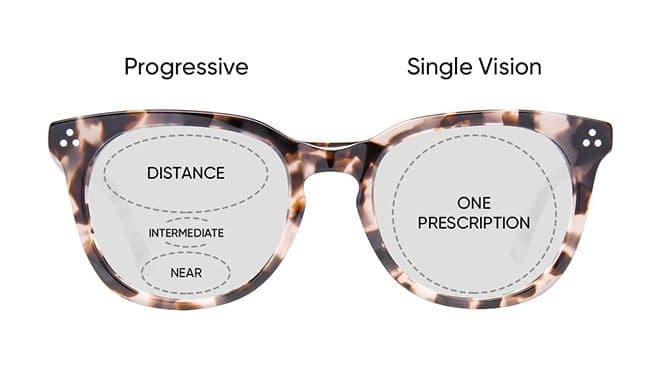
Single Vision vs. Progressive Lenses: How Modern Freeform Technology Works
Tired of switching between reading glasses and distance spectacles? Learn how modern digital progressive lenses provide seamless vision across all distances.
Read Article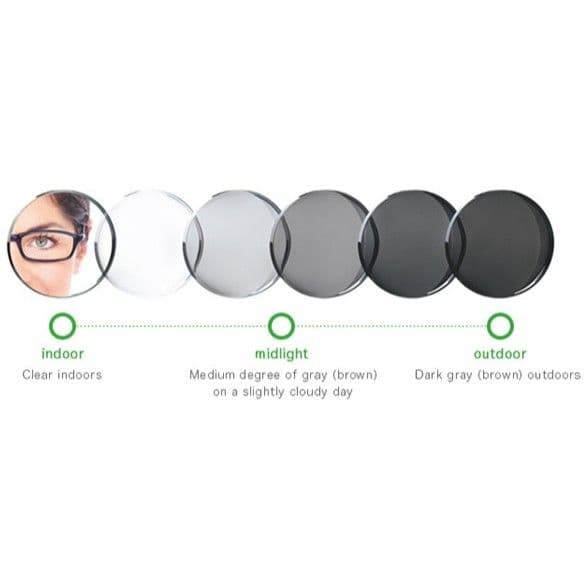
The Science of Photochromic Lenses: How Light-Adapting Eyewear Works
Seamless transition from crystal-clear indoor glasses to dark outdoor sunglasses. Discover how modern light-reactive dyes and extra-active molecules perform.
Read Article
Understanding Dry Eye Syndrome: Root Causes, Screen Habits & Clinical Relief
Persistent burning, redness and grittiness in your eyes? Unpack the differences between aqueous deficiency and evaporative dry eye with clinical solutions.
Read Article